
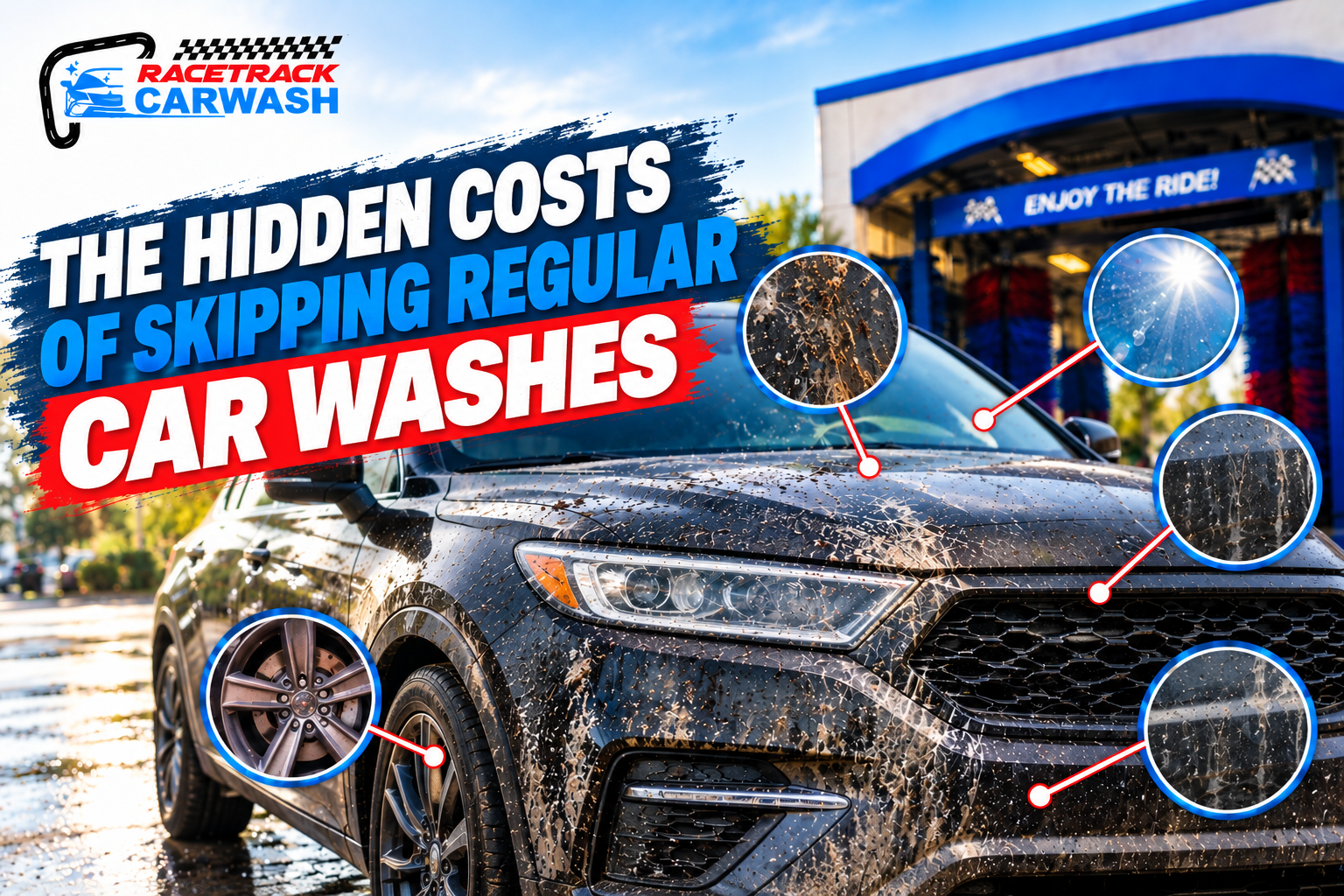
The Hidden Costs of Skipping Regular Car Washes
Keeping your car clean might seem like a cosmetic choice, but regular washing plays an important role in protecting your vehicle. Dirt, road salt, bird droppings, tree sap, and other contaminants can gradually affect your car’s finish. Understanding the hidden costs of skipping regular car washes can help you avoid unnecessary repairs and keep your vehicle looking its best for longer.
What Are the Hidden Costs of Skipping Regular Car Washes?
Skipping regular car washes can lead to paint deterioration, corrosion, stubborn stains, and a lower resale value. Dirt and environmental contaminants may damage exterior surfaces when left untreated. Routine washing removes these deposits before they become harder to clean, helping protect your vehicle and potentially reducing long-term maintenance expenses.
1. How Can Dirt and Grime Damage Your Car’s Paint?
Your car’s paint does more than create an attractive finish. Its clear coat acts as a protective layer against sunlight, moisture, and everyday environmental exposure.
When dirt accumulates, it can hold moisture against surfaces and make contaminants more difficult to remove. Bird droppings and tree sap deserve particular attention because they can etch or stain paint, especially when exposed to heat.
For example, parking beneath a tree for several days may leave sap or bird droppings on the hood. If these deposits harden, removing them may require specialized cleaning or paint correction rather than an ordinary wash.
Practical tip: Remove bird droppings and sap promptly using suitable automotive cleaning products. Avoid scraping hardened deposits or wiping gritty surfaces with a dry cloth, as these actions can scratch the paint.
2. Can Skipping Car Washes Cause Rust?
Yes, neglecting vehicle cleaning can contribute to corrosion, particularly when moisture and corrosive materials remain on exposed metal.
Road salt is a major concern in regions where winter roads are treated for ice. Salt residue can collect around wheel wells, underbody components, door edges, and other areas that are difficult to see. Over time, corrosion can affect metal surfaces and potentially lead to expensive repairs.
Even if you live in a warm climate, rainwater, mud, coastal salt, and persistent moisture can create problems.
Regular exterior washing, including appropriate underbody cleaning when needed, helps remove these contaminants. However, washing alone cannot repair existing rust or replace proper rustproofing and maintenance.
3. Does Not Washing Your Car Reduce Its Resale Value?
A neglected exterior can make a used car less appealing to potential buyers. Visible stains, faded paint, water spots, and accumulated grime may create the impression that the vehicle has not received consistent care.
Although cleanliness alone does not determine resale value, first impressions matter when buyers compare similar vehicles.
Consider two cars with comparable mileage and mechanical condition. If one has a clean, well-maintained exterior while the other has visible staining and neglected paint, the cleaner vehicle may appear better cared for.
Regular washing helps preserve presentation and can support your vehicle’s overall condition. Keep maintenance records and address paint damage separately when necessary.
4. What Other Problems Can Develop When You Skip Regular Washing?
The exterior is not the only area affected by dirt. Neglected cleaning can create several smaller problems that become inconvenient over time.
Common examples include:
Cloudy headlights: Road film and environmental deposits can reduce clarity, although oxidation and surface wear may require separate restoration.
Dirty wheels and brake dust: Brake dust can become stubbornly bonded to wheel surfaces, making safe removal more difficult.
Blocked drainage areas: Leaves and debris around windscreen cowlings or drainage channels may interfere with water drainage.
Unpleasant interior conditions: Mud, spilled drinks, and accumulated debris can stain upholstery and create lingering odors.
Reduced visibility: Dirty windows, mirrors, and exterior lights can interfere with clear visibility, particularly in poor weather.
Cleaning these areas regularly makes routine maintenance easier and helps you identify damage before it becomes more serious.
5. How Often Should You Wash Your Car?
The right washing frequency depends on where you drive, where you park, and the conditions your vehicle encounters.
| Driving or Parking Conditions | Suggested Washing Frequency |
|---|---|
| Mostly clean roads and covered parking | Every 2–4 weeks |
| Frequent city driving and outdoor parking | Every 1–2 weeks |
| Muddy roads, heavy rain, or coastal exposure | As needed, often weekly |
| Winter driving on salted roads | Promptly after significant salt exposure, when conditions permit |
These are general guidelines, not fixed rules. Wash your vehicle sooner when bird droppings, sap, mud, or road salt accumulate. Use appropriate products and methods to avoid scratching the paint.
6. Is a Professional Car Wash Worth the Cost?
For many drivers, a professional car wash is a practical way to maintain a clean vehicle without spending time gathering equipment and cleaning supplies.
The main benefits include convenient service, consistent cleaning, and access to options suited to different levels of dirt and contamination. The best choice depends on your vehicle’s condition, finish, and cleaning requirements.
At RACETRACK CAR WASH, drivers can explore suitable cleaning options to keep their vehicles presentable and easier to maintain. Visit the RACETRACK CAR WASH to learn more about the business, or see our car wash services to choose an appropriate cleaning option.
Home washing can also work well when you have the right supplies and a suitable location. However, avoid household detergents that may strip protective products, and follow local water-use and wastewater rules.
Conclusion: Why Regular Car Washes Are Worth It
The hidden costs of skipping regular car washes can include stubborn stains, paint deterioration, corrosion risks, and a less appealing resale presentation. While washing cannot prevent every type of vehicle damage, it is a straightforward part of responsible car maintenance.
Set a realistic washing schedule, remove harmful deposits promptly, and pay attention to wheels, windows, and other overlooked areas. For more practical vehicle-care advice, read our car care and maintenance blogs. A little consistent care today can help keep your vehicle cleaner, better presented, and easier to maintain over time.
Frequently Asked Questions
If you never wash your car, dirt, road film, bird droppings, and other contaminants can accumulate on its surfaces. Some deposits may stain or damage the clear coat, while road salt can contribute to corrosion. Neglected wheels, windows, and exterior lights can also become harder to clean. The severity depends on your climate, driving habits, parking conditions, and vehicle maintenance.
For many drivers, washing every one to two weeks is a reasonable starting point, although vehicles exposed to cleaner conditions may need less frequent washing. Bird droppings, tree sap, mud, and road salt should be addressed sooner. Choose a schedule based on your environment, and use automotive-safe cleaning products and methods to reduce the risk of scratches.
Yes, certain contaminants can cause lasting paint damage if they remain on the surface for too long. Bird droppings, tree sap, and mineral deposits can stain or etch the clear coat, especially in hot weather. Ordinary road dirt is not always permanently harmful, but abrasive particles can scratch paint when wiped incorrectly. Prompt, careful cleaning helps minimize these risks.
Regular washing helps remove road salt, mud, and other contaminants that can contribute to corrosion. Cleaning the underbody is particularly useful for vehicles driven on salted winter roads. However, washing cannot eliminate all rust risks, repair existing corrosion, or replace appropriate protective treatments. Inspect damaged paint and exposed metal, and arrange repairs when necessary.
Home washing can cost less per wash if you already own the necessary supplies and have a suitable location. Professional car washes offer convenience and reduce the time you spend cleaning. The better value depends on your equipment, local service prices, water restrictions, and how much cleaning your vehicle needs. Compare the total cost and effort rather than the wash price alone.
A neglected exterior may make a vehicle appear poorly maintained and less attractive to buyers. Stains, faded paint, dirty wheels, and persistent grime can negatively affect first impressions. Resale value also depends on mileage, service history, mechanical condition, and market demand. Regular washing supports presentation, but it cannot guarantee a higher selling price or compensate for mechanical problems.
Park in covered or shaded areas when practical, remove bird droppings promptly, and avoid wiping dry, dusty paint with an ordinary cloth. Keep windows and mirrors clear, and check wheels and drainage areas for accumulated debris. Use automotive-safe products and clean microfiber materials. If road salt or heavy mud builds up, arrange a thorough wash rather than waiting for your next scheduled cleaning.
If you’re looking for a convenient way to keep your vehicle clean and protected, visit Racetrack Car Wash for professional car-wash services in Manhasset.
Leave a Reply